
Although randomness appears straightforward when calling a simple function that returns an unpredictable number, the mechanics behind it are far more structured than they seem. Understanding how randomness is generated, controlled, and misused can significantly enhance the reliability and security of your programs, particularly in fields such as simulation, gaming, or gambling.
How Computers Produce “Random” Values
A computer cannot form a naturally unpredictable thought. They operate in accordance with rules. As a result, most programming languages rely on pseudo-random number generators, often referred to as PPNGs. A RPNG uses a starting point, known as a seed, and a mathematical formula that transforms that seed into a long sequence of values that look random.
To an observer, the result appears unpredictable. However, inside the machine, every step follows a strict pattern, and if the seed remains the same, the result remains the same. This is why two programs that share a seed can produce an identical sequence of so-called random numbers.
The principle is essential for running online casino sites. When a player is searching for a real online casino, he expects the winnings from a random combination. Online providers ensure the random results of each spin in modern online slots with RNGs (Random Number Generators).
For players who are searching for proven online casinos, https://spielautomaten-kostenlos-spielen.com/ Freispiele Bonus Ohne Einzahlung provides a list of online casinos with information on free spins and no-deposit bonuses, which helps compare the conditions and winning chances. The platform also provides details on available games and limits.
Why Predictable Randomness Matters
In many basic tasks, predictable randomness is useful, for example, when repeating a simulation under identical conditions or rerunning a data test with full control. In other areas, however, there is a need for genuine uncertainty, where true randomness rather than reproducible behaviour is required.
In security contexts, for instance, predictable randomness can be exploited, allowing attackers to guess passwords, tokens, or encryption keys. Understandably, password reset codes, tokens, session keys, and encryption methods all lean on solid diversity. If the pattern behind those values can be guessed, the entire system collapses.
Understanding and controlling predictability is therefore essential to ensure that randomness serves its intended purpose safely and effectively. Hence, serious systems rely on secure random generators, built to resist prediction even under attack.
When Randomness Meets Gambling
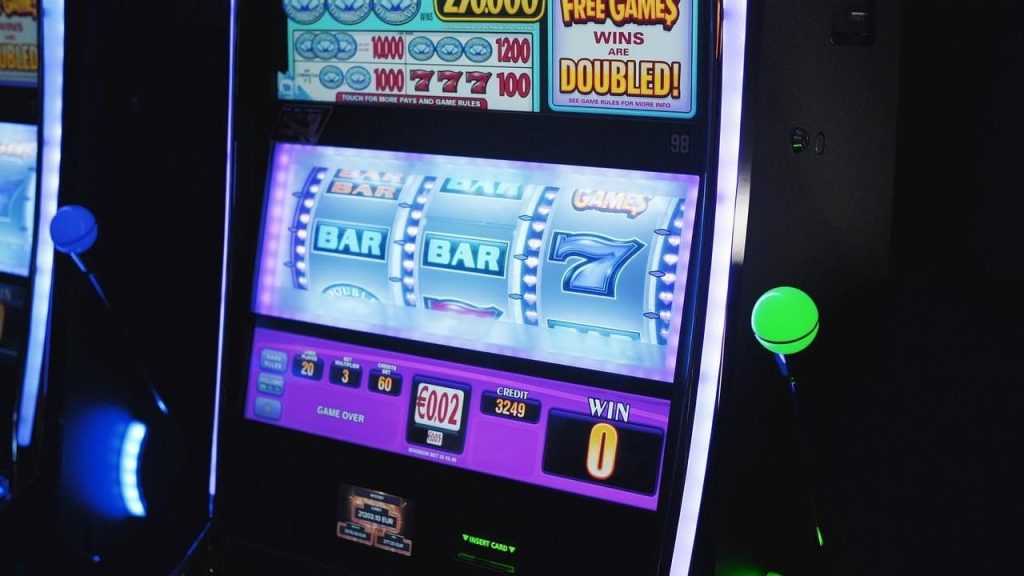
Randomness becomes even more important in industries where risk, reward, and trust appear at the centre. Gambling is the clearest example. Here, lack of pattern plays a crucial role in the experience. The world of online slots, table games, digital cards, and virtual wheels depends entirely on the strength of the RNG behind them.
A gambler expects each outcome to be fair. If the algorithm behind the game can be manipulated or even predicted, the entire system loses meaning. This is why gambling platforms, including online casino sites, use advanced RNG systems designed to mimic natural randomness as closely as possible.
The Role of RNG in Online Gambling
In online casinos, unpredictability must be recreated through code. A slot spin, for example, does not “spin” in the way a real machine does. The outcome is chosen by the RNG the moment the player presses the button.
The reliability of that number affects the fairness of the game. When playing casinos online, If the RNG repeats patterns or reveals bias, the casino may lose its credibility. As a result, online platforms rely on RNGs that pass independent audits. These audits check millions of results, looking for patterns that would never happen in true random behaviour.
Here what happens if RNGs in online casino fail:
- Games may stop being fair or truly random.
- Players can lose trust and complain about results.
- The casino can face audits, fines, or licence problems.
- Games might be taken offline until the issue is fixed.
To prevent the outcome, authorities such as the UK Gambling Commission and Malta Gaming Authority depend on systems such as the Monte Carlo method to examine the outcomes of RNGs. The strictness is necessary to protect players and ensure fairness.
Final Thoughts
Every new programmer should understand that randomness in code is a controlled illusion. It runs on observable maths, seeds, and patterns. This may be sufficient for most tasks, but real unpredictability becomes crucial in fields such as security and gambling. Understanding how numbers appear at random will boost your confidence as a programmer.